
Mr. Harding has danced on the edge of bajan consciousness for centuries.

-
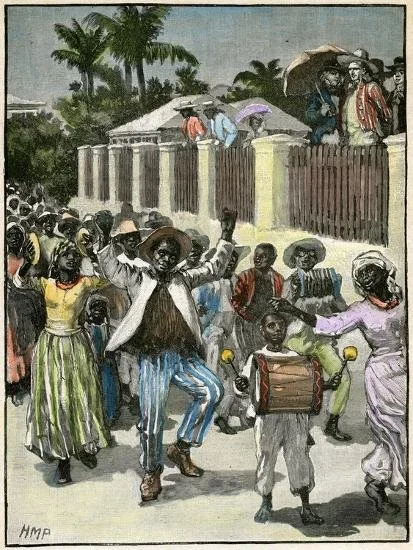
AUGUST 1834 - EMANCIPATION
Slavery is abolished across the British Empire, though in Barbados, the formerly enslaved largely continue to live and work on the plantations. Mr. Harding emerges as a symbol of the hard times: the fallow period between the end of the sugar cane harvest and the planting of a new crop during which work and pay are scarce and suffering abounds.
-
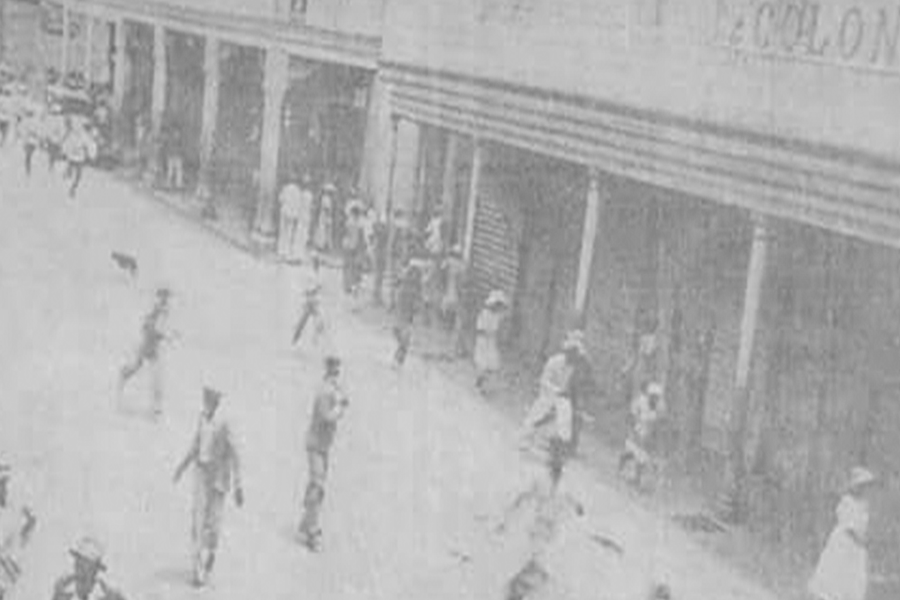
JULY 1937 - RIOTS IN THE LAND
Following the deportation of activist Clement Payne, who had been organizing the masses to protest the abhorrent working and living conditions that persisted under colonial rule, riots erupt. In the decades that follow, Barbados will embark on a journey to become an independent nation. Crop Over withers.
-
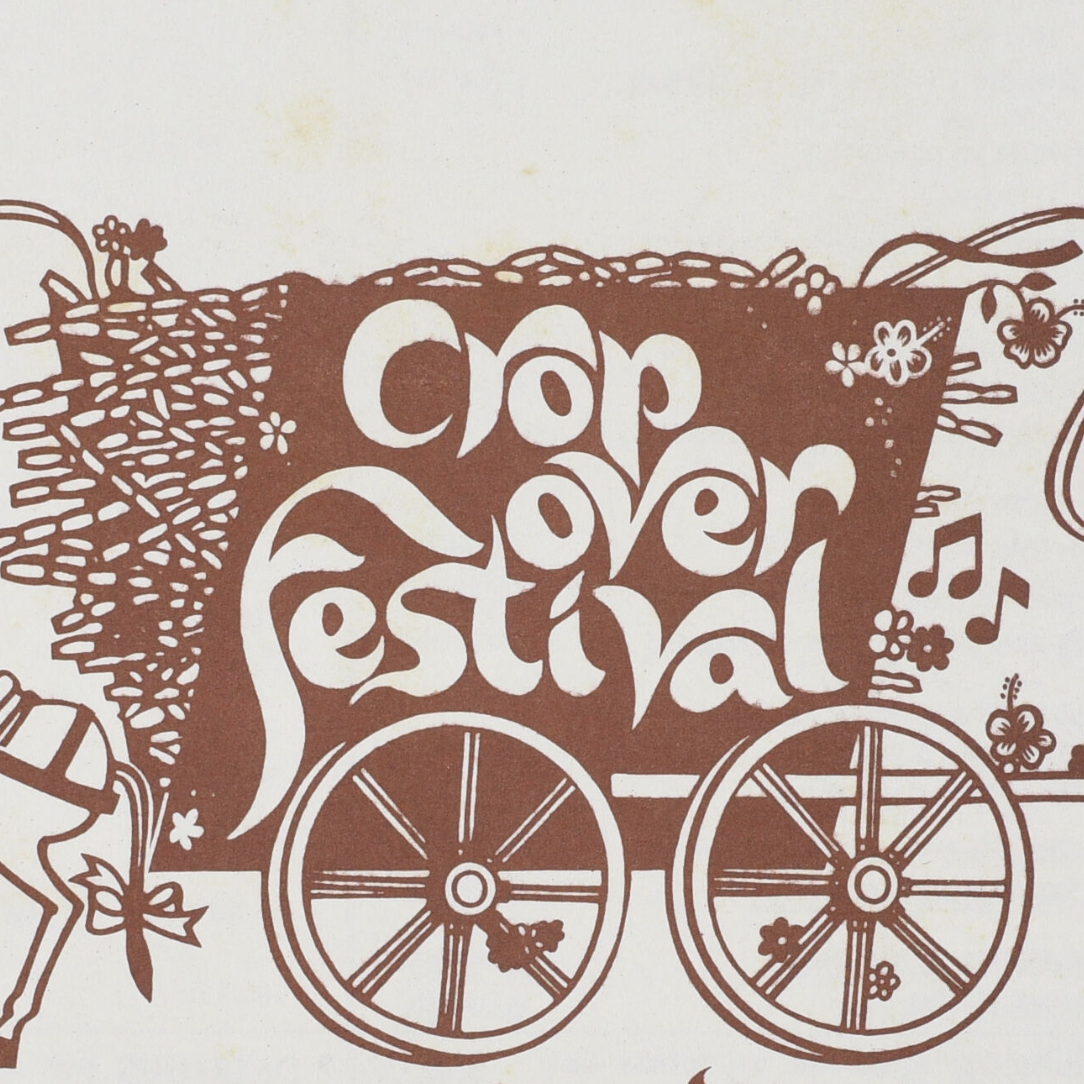
JULY 1973 - CROP OVER RETURNS
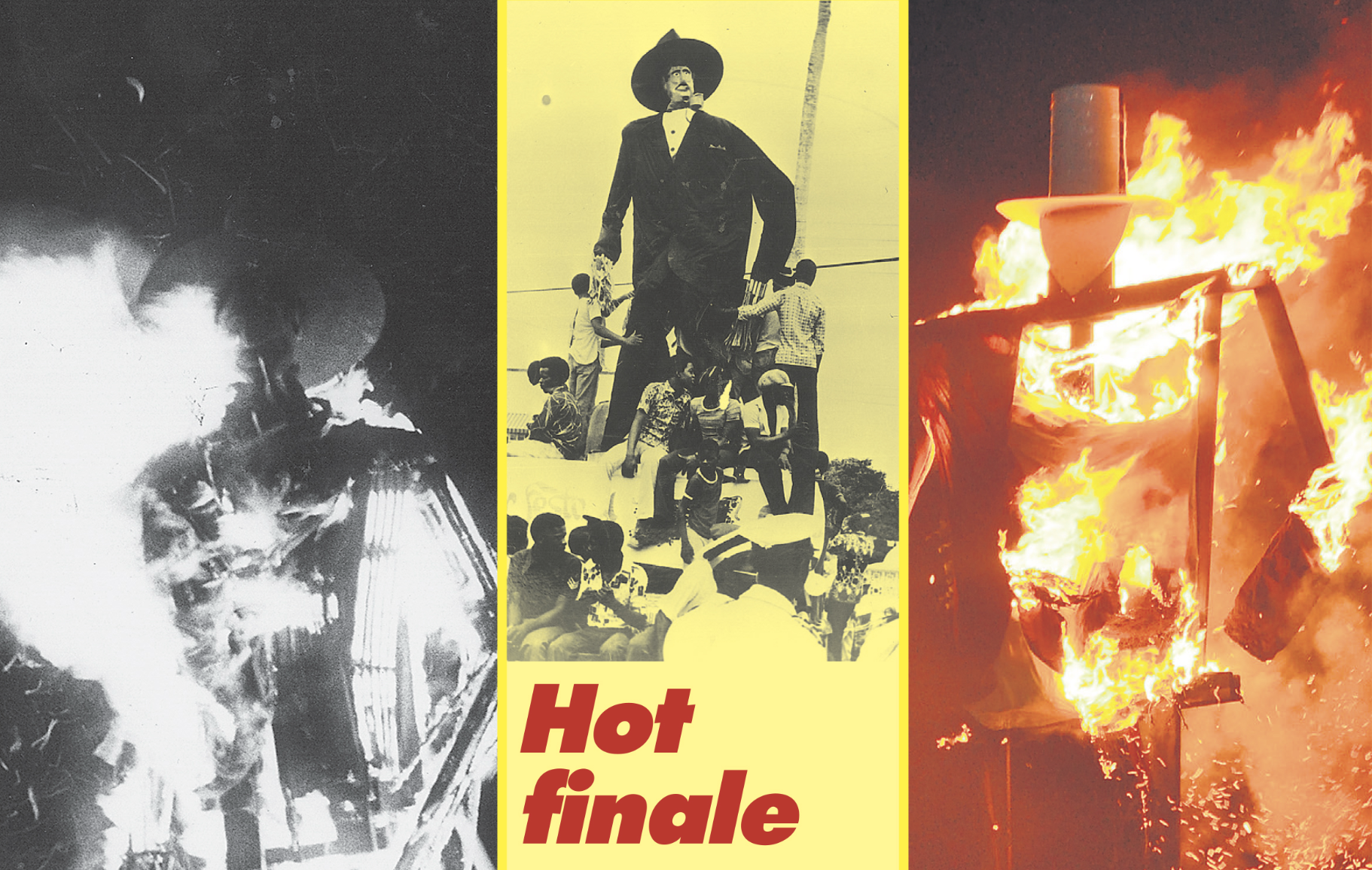
In an attempt to revitalize lost cultural traditions and boost tourism in the traditionally slow summer months, figures such as Elombe Mottley and Julian Marryshow relaunch Crop Over as an annual summer festival. The burning of Mr. Harding returns as the climax of the festivities, but proves controversial.
-
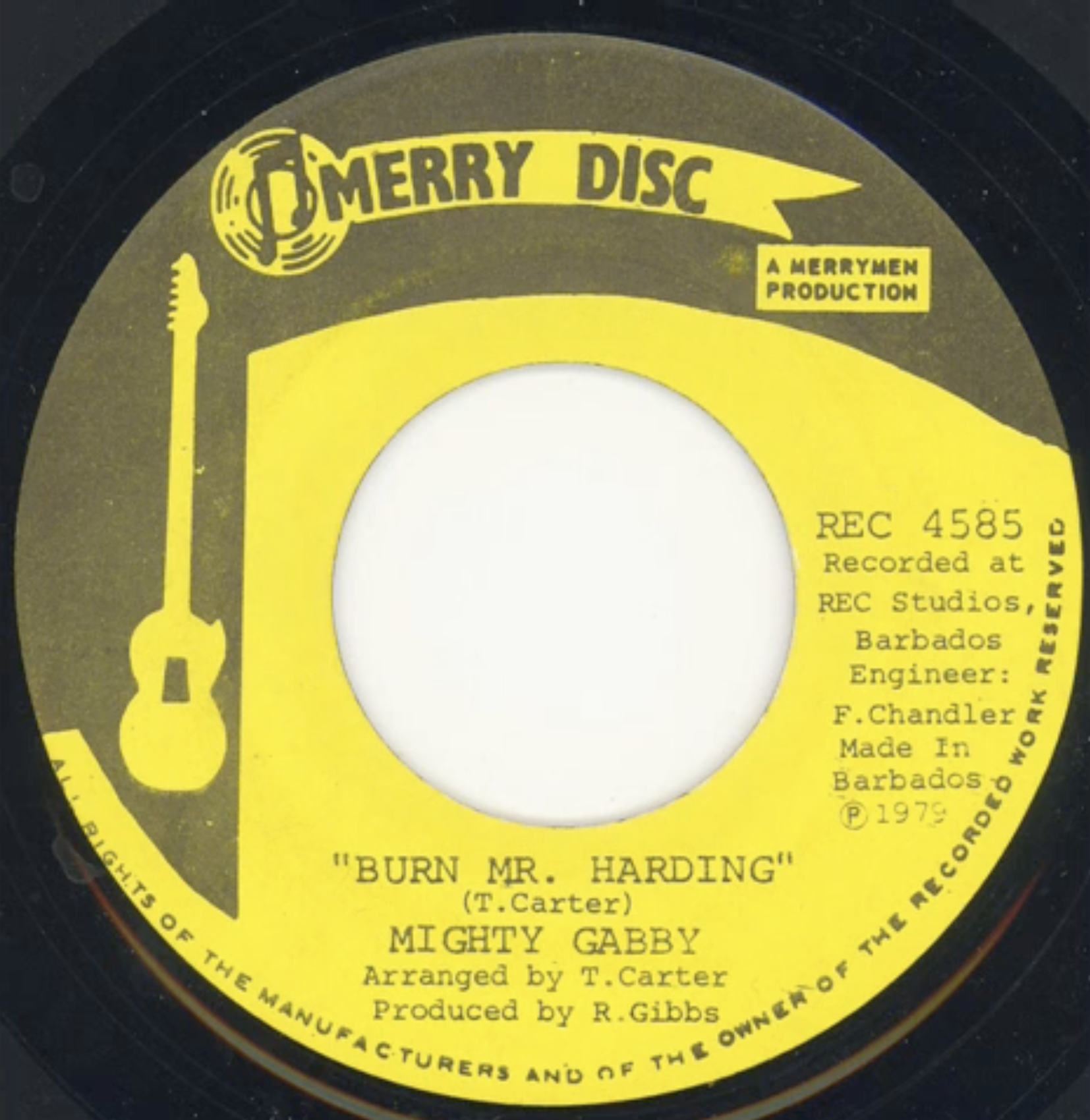
JULY 1979 - HARDING HITS THE ROAD
Legendary Calypsonian The Mighty Gabby wins the island’s first road march title with his song “Burn Mr. Harding”
-
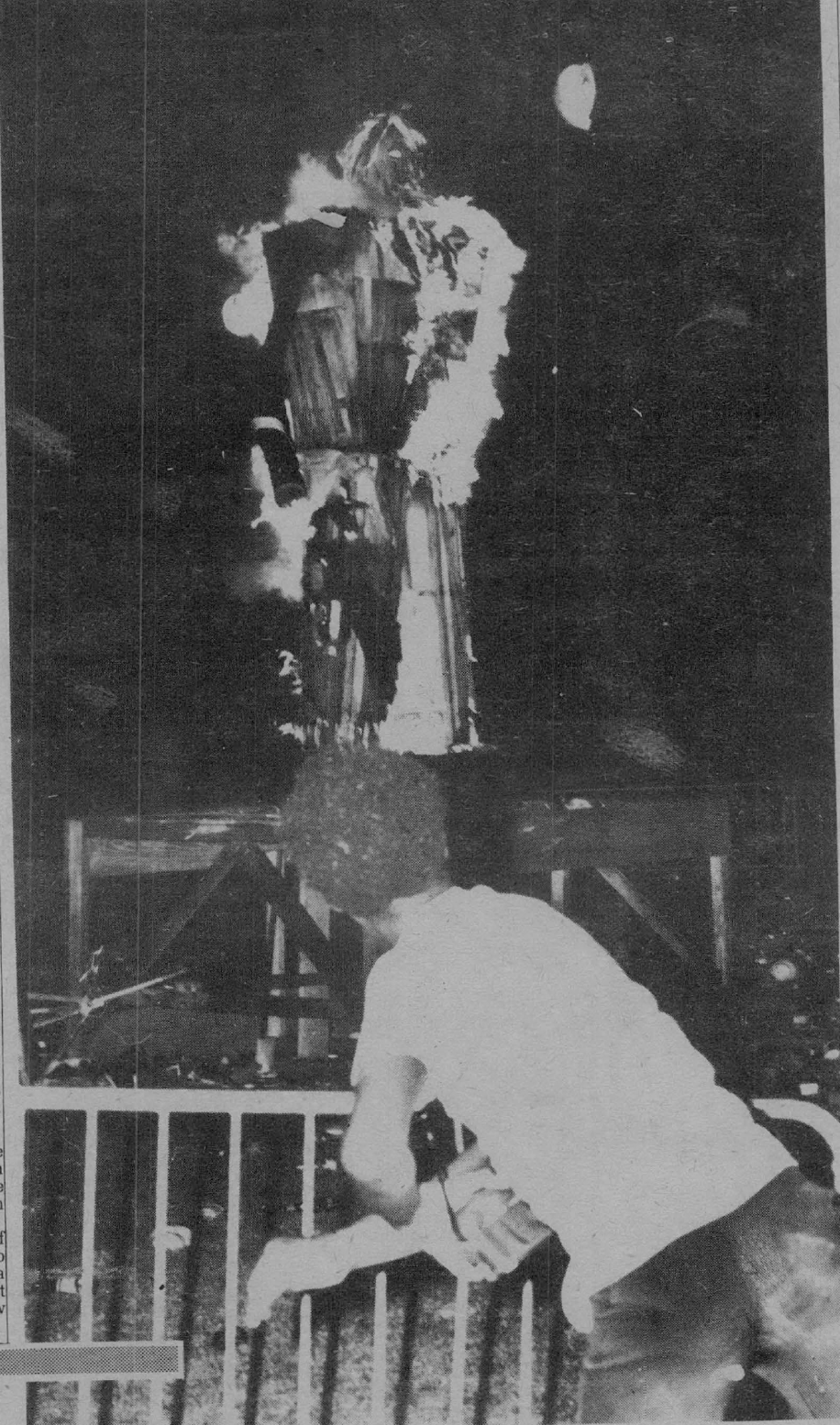
JULY 1979 - THE CONTROVERSY TAKES OFF
Harding is burned at the Garrison Savannah, attracting a large crowd that pelts him with rocks and bottles. For the next few years, debate will rage over whether Harding should remain a part of the festivities.
-
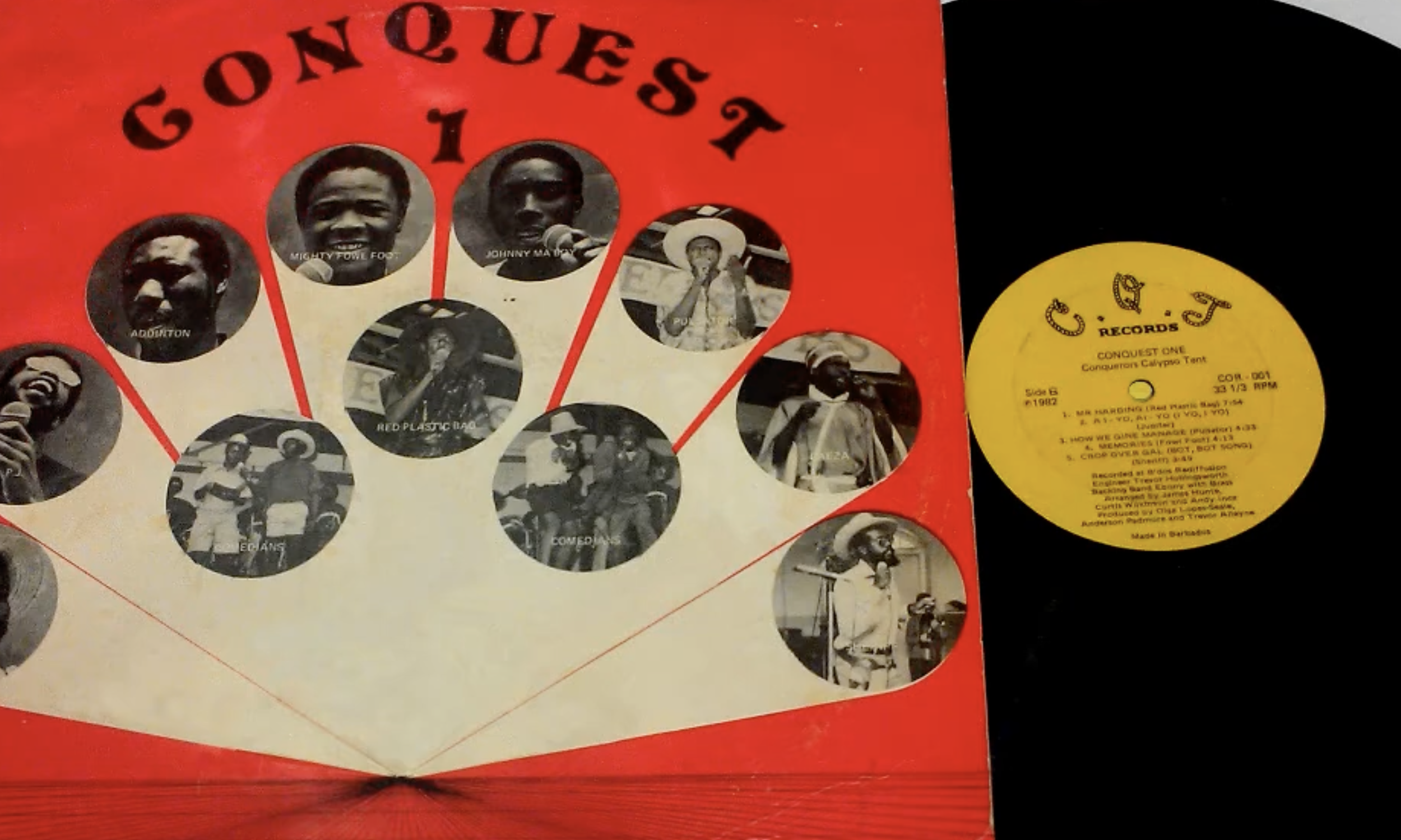
JULY 1982 - HARDING TAKES THE BIG STAGE
In his Pic-O-De-Crop Finals debut, legendary Calypsonian Red Plastic Bag makes history as the island’s youngest Calypso monarch. He claims the crown with two tracks: “Sugar Made Us Free” and “Burn Mr. Harding.”
-
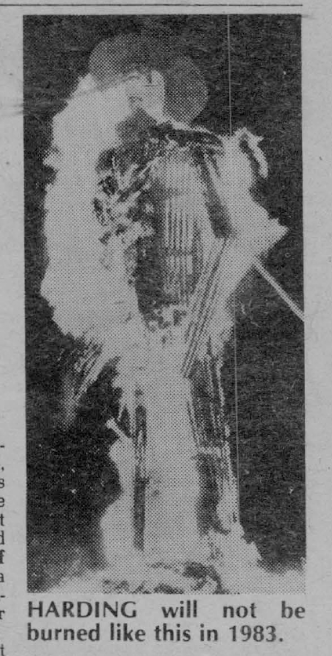
JULY 1983 - HARDING BANNED?
The decision is made to end the burning of Mr. Harding following years of outcry, particularly from the Sugar Producers Association and other sectors of the business community. Various suggestions are made about what to do with the effigy — should he be drowned, buried, or depicted in lights or fireworks? Some alternatives are actually attempted but fail to take hold in the imagination of the Bajan public. The Ministry of Agriculture will later report the lowest sugar cane harvest since 1948, owing to a reduction in harvested acreage, cane fires, and little rainfall.
-
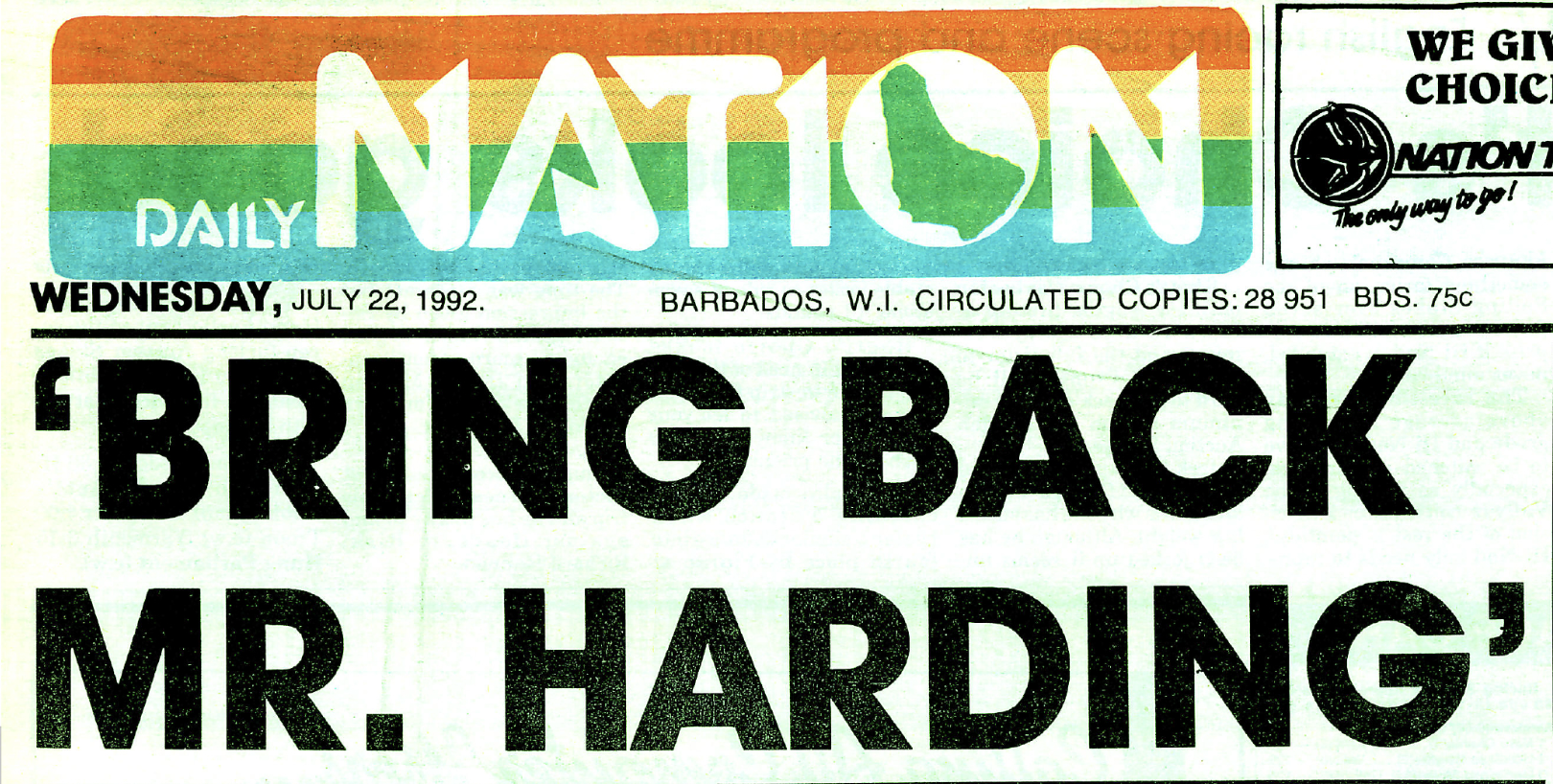
1990s - THE RUMBLES BEGIN
A decade since Harding’s last burning, calls start rising for the tradition to be resurrected. From bandleaders and cultural stalwarts like Winston Jordan and Peter Boyce to politicians such as Joseph “Johnny” Tudor, a feeling is shared that our cultural landscape is less substantive without Harding in it. No less than NCF CEO Antonio “Boo” Rudder summed up the sentiment thusly: “In a supposedly enlightened and literate society, we must be able to discuss and analyse all aspects of our history, even though some of us might find that history disturbing. It is better to face up to it.”
-
2000s - HARDING FLICKERS ALIVE
The question makes the rounds louder now: why don’t we burn Harding anymore? Kevin Farmer, deputy director of the Barbados Museum & Historical Society, delivers a lecture in which he states: “It needs to be brought back. Fire is about rejuvenation and rebirth. It is very important that some of these elements of the early history of Crop Over aren’t allowed to die.”
Gradually, Harding comes to be invoked once more in various expressions such as the work of artists such as Empress Zingha, Shari Phoenix, Matthew Clarke & Nigel Lynch, and Tracy DeOlivere Greenidge, and in the candles of Native Caribbean, among others. Rumors abound that he has been burned on occasion in private, but never publicly, due to questions around the legality of the act. Is the burning of Harding in fact banned on Bajan soil? -
2003 - Elombe Speaks Out
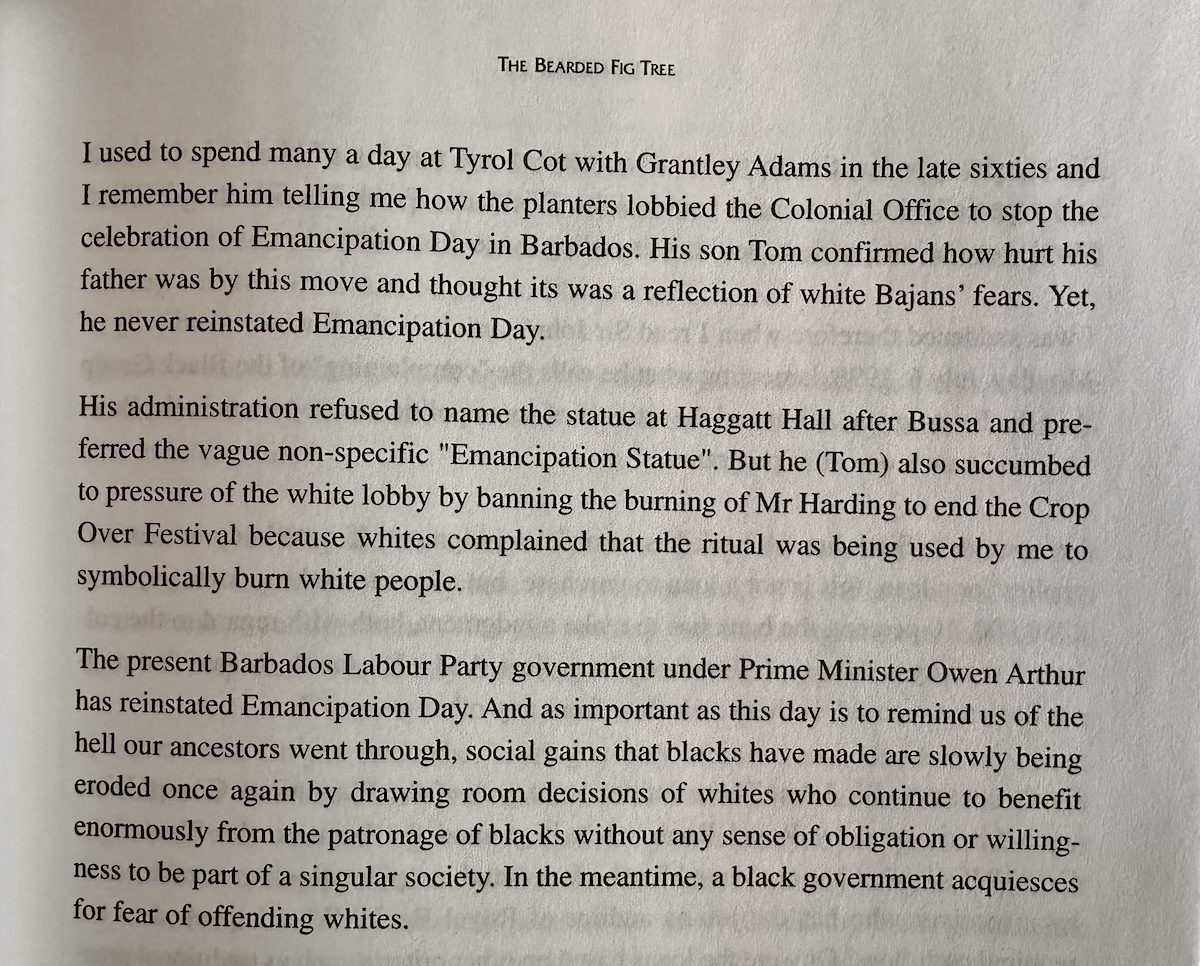
In his 2003 book “Identities: Volume I”, Elombe Mottley, the founder of Yoruba Yard, former CEO of the NCF and true father of modern Crop Over, laments Harding’s end.
-
APRIL 2026 - HARDING BURNS AGAIN
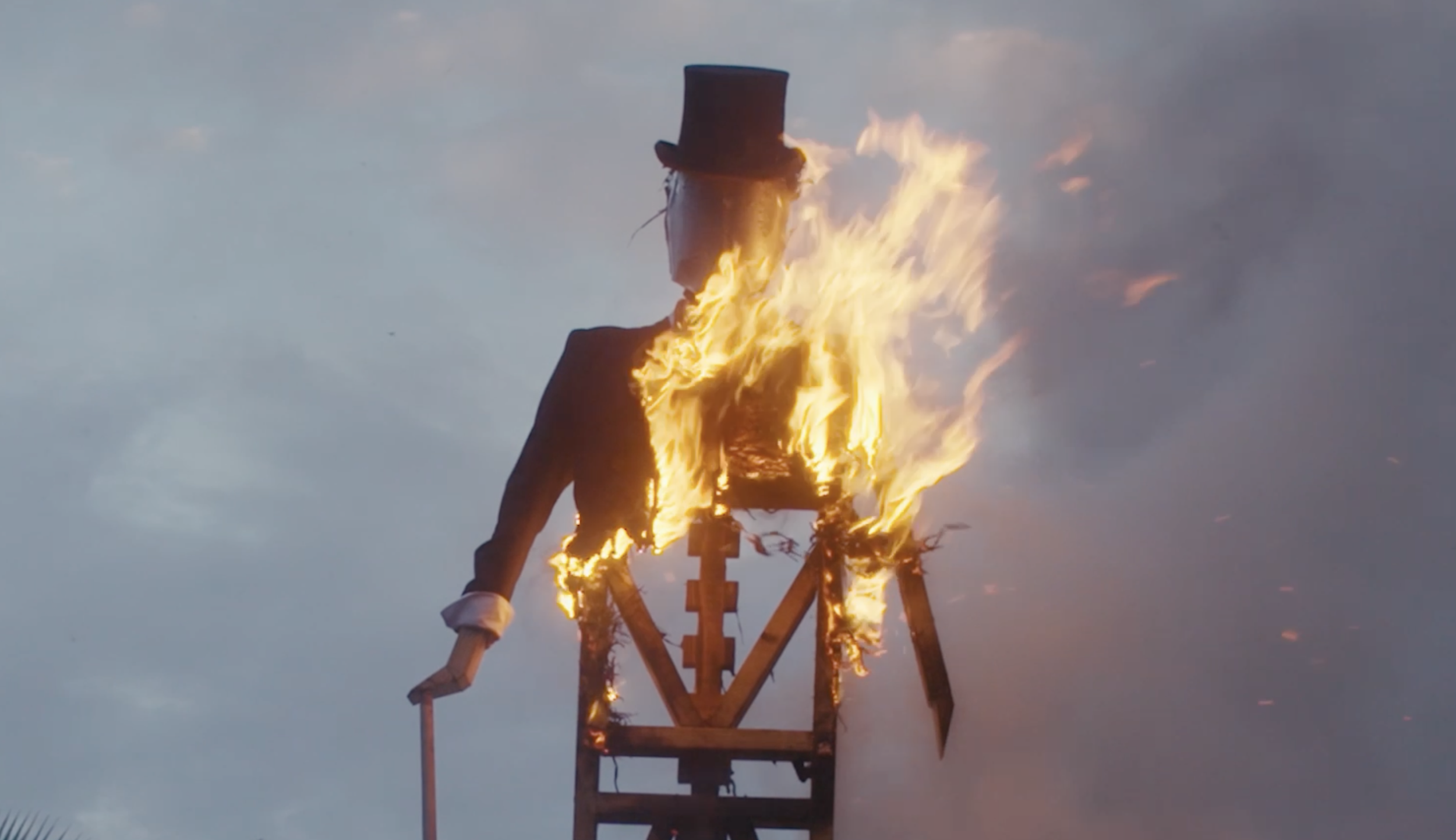
Harding is burned in a secret ceremony calling for regenerating our connection with the clandestine, repressed or lost aspects of our history and culture.